
Sportful Turned the Post-Fight Mic Into a Market
TL;DR: Sportful turned a possible in-Octagon callout into a Kash market, showing how sports questions can extend beyond the winner and score.
A fight has a winner. The conversation around it has many more possible outcomes.
Sportful chose one of those surrounding questions for a Kash market: would a fighter call out Jon Jones at UFC 334?
Its post placed the question alongside the Gane–Hokit main-event discussion. The subject was what someone might say afterward.
Jon Jones doesn’t even need to fight to be the main character.
What question did Sportful turn into a market?
Sports audiences follow rivalries, ambitions and the next possible matchup as well as the contest in front of them.
A post-fight callout sits inside that wider story. It can connect the result just announced to the opponent someone wants next. For an audience already following those relationships, it is a recognizable point of disagreement.
Sportful’s choice showed how a sports question can concern behavior around an event rather than the score or winner.
The distinction is concrete: a fight result and a callout can be checked against different evidence. One does not automatically establish the other.
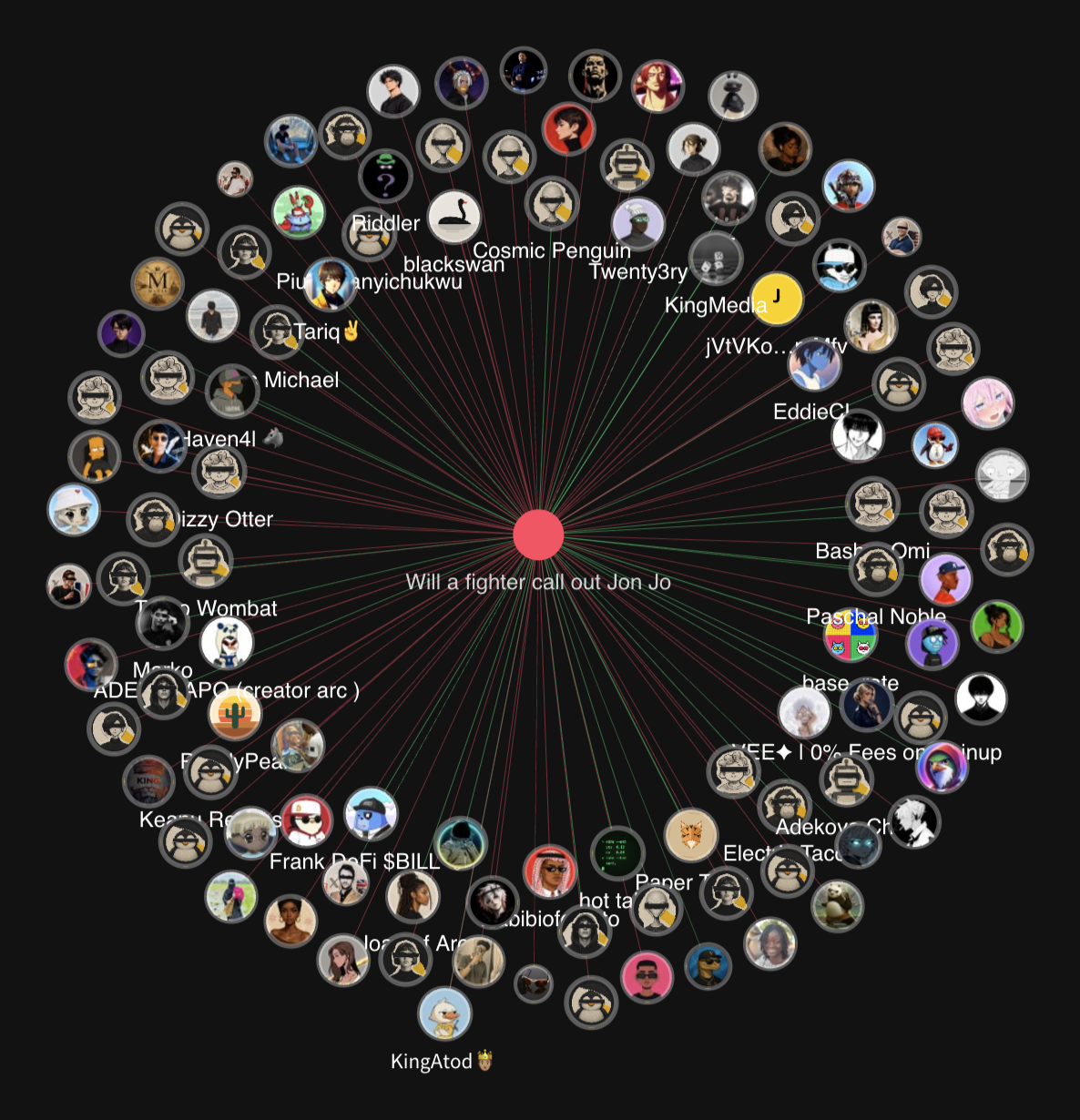
Kash Analytics: addresses that traded this market, connected by turnover on each outcome, not net positions. Captured November 18, 2026.
What counts as a qualifying Jon Jones callout?
Sportful’s market criteria specify in-Octagon post-fight interviews on the official broadcast. A qualifying callout needs a clear reference to Jon Jones and an expressed wish to fight him or a challenge. Praise or a passing mention is not enough.
Press conferences, backstage interviews and social posts do not count. The official broadcast or its recording is the primary evidence, with specified MMA reporting as a fallback.
Those details keep a familiar sports argument from becoming an argument about what the market meant.
They also show why “beyond results” should not mean “anything subjective.” The useful extension is another observable event: a qualifying statement, announcement or action under a defined rule.
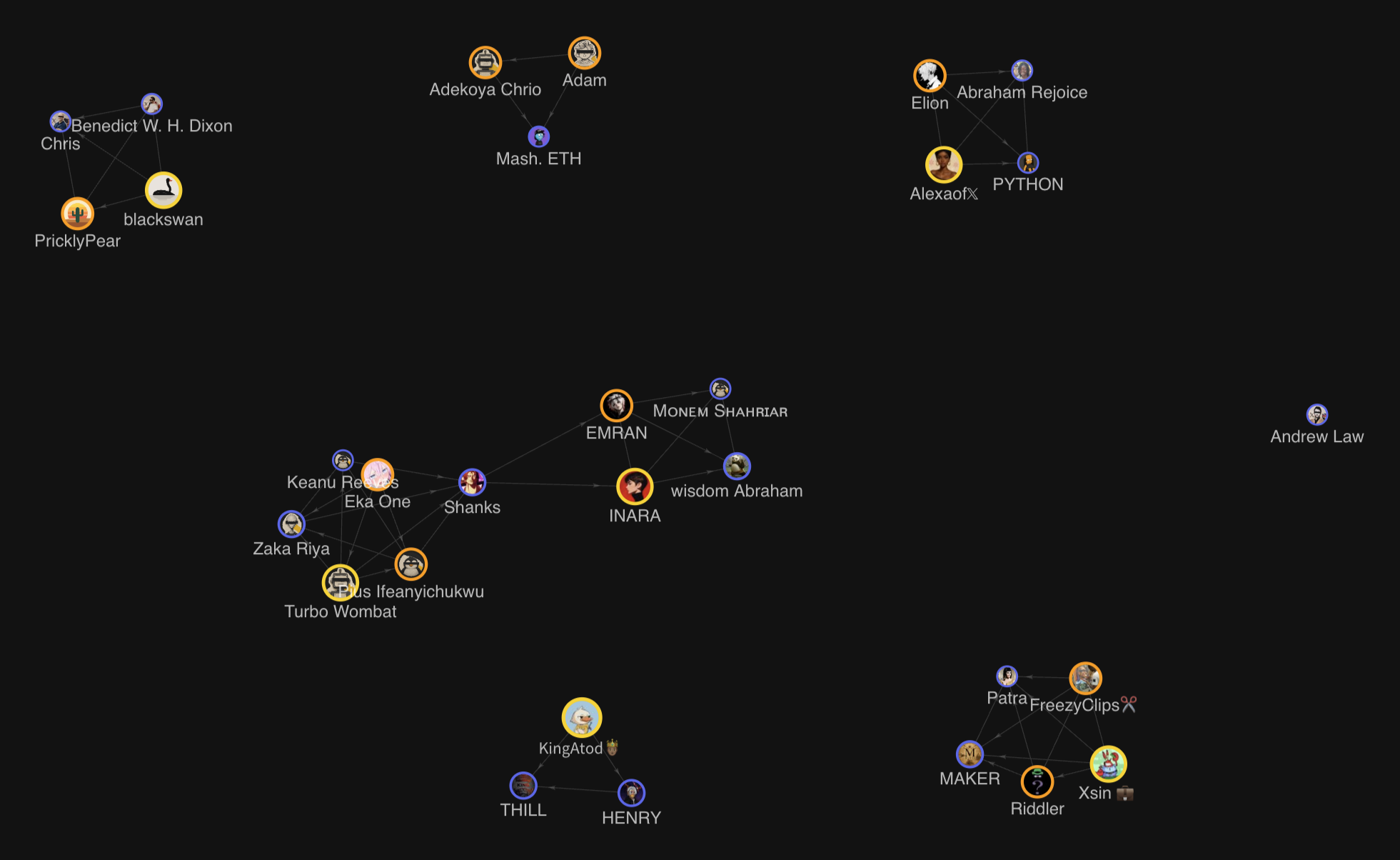
Kash Analytics trade-sequence view (top 30 addresses): arrows link addresses whose first trades on the same outcome occurred within 30 minutes. These are timing relationships, not evidence of influence. Captured November 18, 2026.
How can social markets go beyond match results?
A similar approach can apply to a team announcement, a confirmed lineup or a specified press-conference statement. Each gives fans another part of the sporting story to follow.
The editorial work is to choose a moment the audience already cares about and make its answer checkable.
Sportful’s Jon Jones question is a compact example. The sporting event supplies the attention. The rivalry supplies the context. The market follows a particular development around the event.
For social markets, that opens a wider sports canvas: not just who wins, but which parts of the story become observable next.